How to Write Listicles With AI - Building Lists People Actually Want to Read (2026)
Listicles are easy to generate and easy to get wrong. The ones that rank give every item a clear reason to be there and help readers choose.
Pick the list type that matches intent, decide your selection criteria before generating, and give every item a consistent structure with a specific "best for" verdict. Lead with a short answer, use clear numbered headings, and add a comparison table. Never pad a list with weak items just to hit a bigger number.
Why Listicles Still Work
Lists are easy to scan, easy to compare and easy for search engines and AI systems to extract. That's why "best X" and "X ways to Y" articles appear so often in search results and in AI-generated answers.
The catch: AI can produce a generic listicle in seconds, so the web is full of them. The lists that rank and get cited stand out by being specific, opinionated and genuinely useful for making a decision.
The Main Types of Listicle
| Type | Example | Intent |
|---|---|---|
| Product roundup | "Best espresso grinders for beginners" | Commercial |
| Tool or service list | "Best AI SEO writers" | Commercial |
| Tips list | "12 ways to speed up a WordPress site" | Informational |
| Ideas list | "25 blog post ideas for local businesses" | Informational |
| Mistakes list | "9 keyword research mistakes" | Informational |
| Alternatives list | "Best Jasper alternatives" | Commercial |
Check the search results to confirm the list type fits. If the results are mostly step-by-step guides, a tips list may not be the best format.
Step 1: Decide Your Selection Criteria
Before you generate anything, decide how items earn a place on the list. For a product roundup, criteria might include price, key features, ease of use and who it suits. For a tips list, it might be impact and ease of implementation.
Clear criteria stop AI from filling the list with random items, and they give readers a reason to trust your choices. You can mention the criteria briefly near the top.
Step 2: Choose the Right Number of Items
Use as many items as the topic genuinely supports. A focused roundup of five strong options often beats a list of 20 where half are filler. Google has said it has no preferred word count, and padding a list rarely helps readers.
Short Lists (3–7)
Best for buying decisions where readers want a clear shortlist.
Medium Lists (8–15)
Good for tips, mistakes and tools with distinct use cases.
Long Lists (20+)
Work for ideas, examples or resources where breadth is the point.
Step 3: Give Every Item the Same Structure
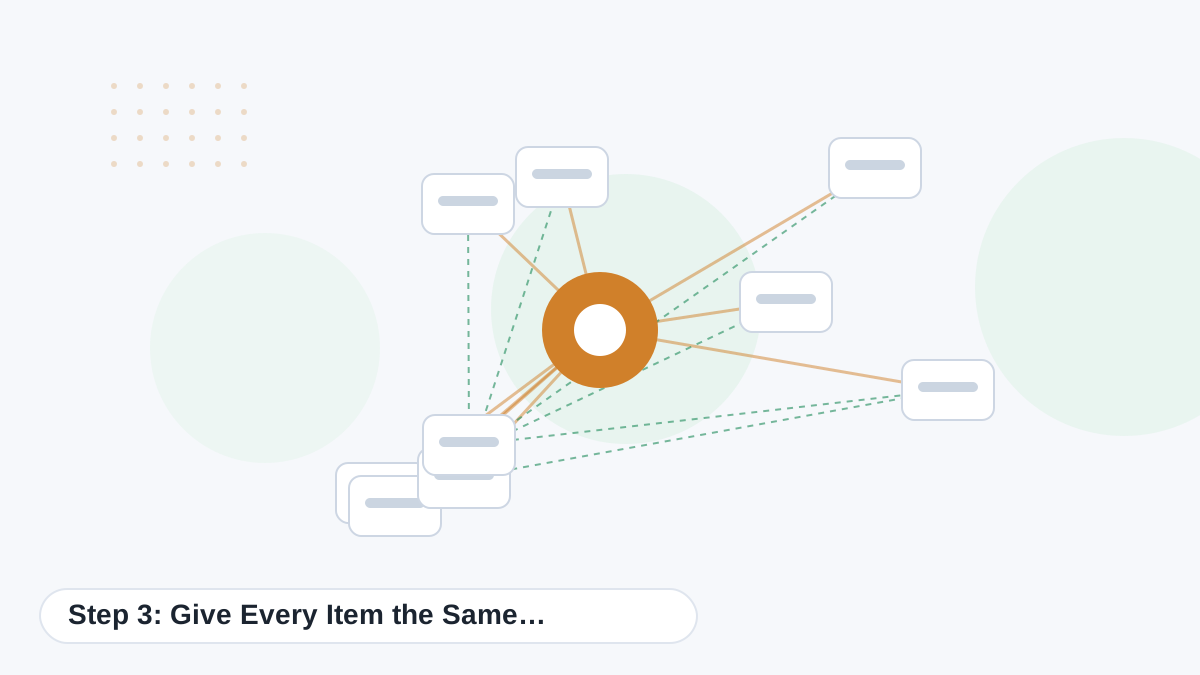
Consistency makes lists easier to scan and compare. For a product or tool roundup, a reliable structure is:
- Name and "best for" label, such as "Best for small kitchens".
- One-sentence summary of why it's on the list.
- Key details: price range, standout features, limitations.
- Who should choose it and who should skip it.
- A clear next step, such as a link to a full review or the product.
For tips lists, use: the tip, why it matters, how to do it, and an example.
Step 4: Lead With a Quick Answer
Readers often want the top pick immediately. Start with a short summary: your overall favourite, plus one or two picks for specific needs. A small comparison table near the top helps people who want to decide fast.
Koala's listicle and Amazon roundup formats are built for list content. Draft one on the free plan.
Try Koala FreeStep 5: Generate With Clear Instructions
Tell your AI writer exactly what you want, including the items, criteria and structure. A good instruction set might include:
- The list of items and their order.
- The structure each item must follow.
- Verified facts for each item, such as prices and key features.
- Your audience and their main constraints.
- A rule not to invent ratings, test results or quotes.
In Koala, choose the listicle or Amazon product roundup format and add these details to Article Instructions. For product roundups, Koala pulls live product data from Amazon and adds your Associates tag. See Koala Amazon roundups.
Step 6: Edit for Verdicts and Specificity
AI drafts often describe each item in similar, neutral language. Editing is where you add the judgment that makes a list useful.
| Generic | Useful |
|---|---|
| "A great option with many features." | "Our pick if you want fine grind control under $200; skip it if counter space is tight." |
| "Easy to use and reliable." | "Fewer settings than rivals, which makes it the easiest start for complete beginners." |
| "Offers good value." | "The cheapest option here that still has a burr mechanism." |
Step 7: Add a Comparison Table and Buying Advice
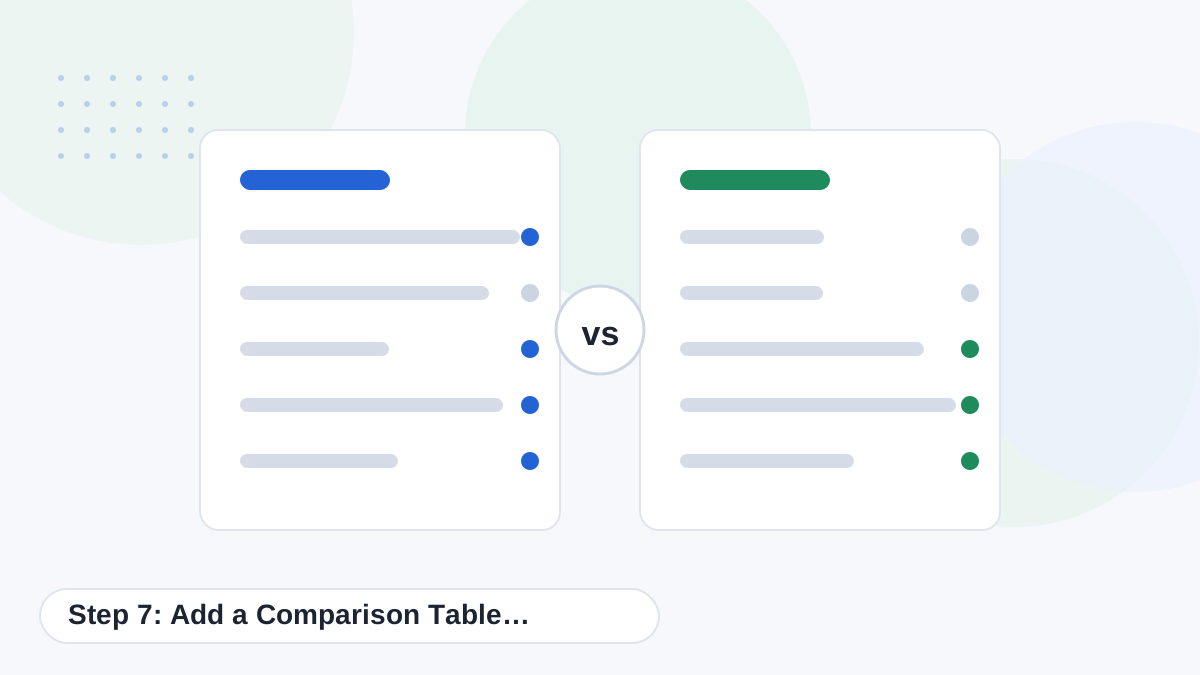
A comparison table lets readers see the key differences at a glance. After the list, a short buying guide helps readers who are still undecided: what to look for, common mistakes, and how to choose between the top two picks.
Listicles and AI Search
List-format pages are frequently cited in AI-generated answers, partly because their structure makes items easy to extract. To improve your chances, use clear numbered headings, give each item a concise summary sentence, and include specific details rather than vague praise.
See our generative engine optimisation guide for more on how AI systems choose sources.
Keeping Lists Current
Product lists go stale quickly. Prices change, new models launch and old ones disappear. Review commercial lists every few months, replace discontinued items, and update your picks when something better appears. A "last reviewed" habit, backed by real updates, keeps lists trustworthy.
Common Listicle Mistakes
- Padding with weak items to reach a round number.
- No clear top pick or "best for" labels.
- Every item described in the same vague way.
- Invented ratings, scores or test results.
- Outdated products still on the list.
- No comparison table or buying advice.
A quarterly review of your most important lists is usually enough to keep them accurate and competitive.
When you update, note what changed so returning readers can see the list reflects the current market rather than last year’s options.
Small, honest updates like these keep a list competitive for years.
Readers notice when a list is maintained.
Build Lists That Help Readers Choose
Use Koala's listicle or Amazon roundup format to draft your list, then add verdicts and buying advice. Start on the free plan.
Try Koala Free