Topical Authority - Plan, Build and Measure Complete Topic Coverage (2026)
Topical authority is about covering a subject so completely and reliably that you become the obvious source. AI makes that coverage achievable for small teams.
Topical authority comes from thorough, accurate, well-connected coverage of one subject. Map the topic, plan a hub for each subtopic with supporting pages, link everything together, and keep it current. AI writers make the volume possible; your planning, editing and expertise make it authoritative. Expect it to build over months, not weeks.
What Topical Authority Means
Topical authority is the idea that search engines favour sites that cover a subject in depth, rather than sites with scattered articles on many unrelated topics. A site with fifty connected, helpful articles about home espresso is more likely to rank for a new espresso question than a general lifestyle blog with one espresso post.
It isn't a single score or metric. It's a way of describing the combined effect of coverage, quality, structure and trust within a topic.
Why It Matters More Now

Search Engines Understand Topics
Modern systems evaluate relationships between pages and entities, not just keywords.
AI Answers Favour Trusted Sources
AI summaries tend to draw on sites that cover a subject thoroughly.
Readers Stay Longer
Connected content answers the next question, keeping visitors on your site.
New Pages Rank Faster
Pages added to a strong cluster benefit from the surrounding coverage.
Step 1: Choose Your Core Topic
Authority is easier to build in a focused area. Choose a subject where you can realistically cover the important questions and add genuine value. "Home espresso" is achievable; "food and drink" is not, at least not at first.
If you're unsure, our guide to starting a niche site with AI includes a niche checklist.
Step 2: Build a Topic Map
A topic map lists every subtopic and question your audience cares about, organised into groups. AI is excellent at the brainstorming part.
- List the main subtopics, such as machines, grinders, beans, techniques and maintenance.
- Brainstorm questions for each with AI: beginner, intermediate and advanced.
- Add commercial topics: best-of roundups, reviews, comparisons.
- Add problem topics: troubleshooting and fixes.
- Validate demand with search results and keyword data.
- Cluster keywords into pages using keyword clustering.
Step 3: Plan Hubs and Supporting Pages
| Level | Example | Purpose |
|---|---|---|
| Core hub | Home espresso guide | Overview linking to every subtopic hub |
| Subtopic hub | Espresso grinders | Explains the subtopic, links to its cluster pages |
| Commercial page | Best espresso grinders | Money page for the subtopic |
| Supporting guide | Burr vs blade grinders | Answers a specific question, links to the money page |
| Problem page | Why does a grinder clump? | Captures troubleshooting searches |
Every page should have a clear parent and a reason to exist that no other page already covers.
Step 4: Produce Coverage With AI
This is where AI writers change what's possible. A small team can draft a full cluster in days rather than months.
- Use research-based drafts so each article reflects what currently ranks.
- Set up brand context once so tone and stance stay consistent across dozens of pages.
- Draft a cluster at a time so internal links connect naturally.
- Review before publishing, adding examples, opinions and corrections.
Koala's bulk mode, Brand DNA and automatic internal linking are built for this. See Koala bulk writing.
Draft your first topic hub with Koala's free plan, then build out the cluster around it.
Try Koala FreeStep 5: Connect Everything With Internal Links
Internal links turn a collection of articles into a structure search engines can understand.
- Hubs link down to every page in their cluster.
- Cluster pages link up to their hub.
- Siblings link to each other where it helps the reader.
- Supporting guides link to the relevant commercial page.
- Older posts get updated with links to newer ones.
Our internal linking guide covers anchors and structure in detail. Koala Professional's KoalaLinks can add links to older posts automatically.
Step 6: Add Depth, Not Just Breadth
Coverage alone isn't authority. Each page needs to be accurate and genuinely useful. A site with a hundred shallow posts isn't more authoritative than one with forty excellent ones.
Depth comes from specifics: real constraints, worked examples, honest comparisons and clear recommendations. It also comes from accuracy, so fact-check claims and keep pages current. See E-E-A-T and AI content.
Step 7: Measure and Fill Gaps
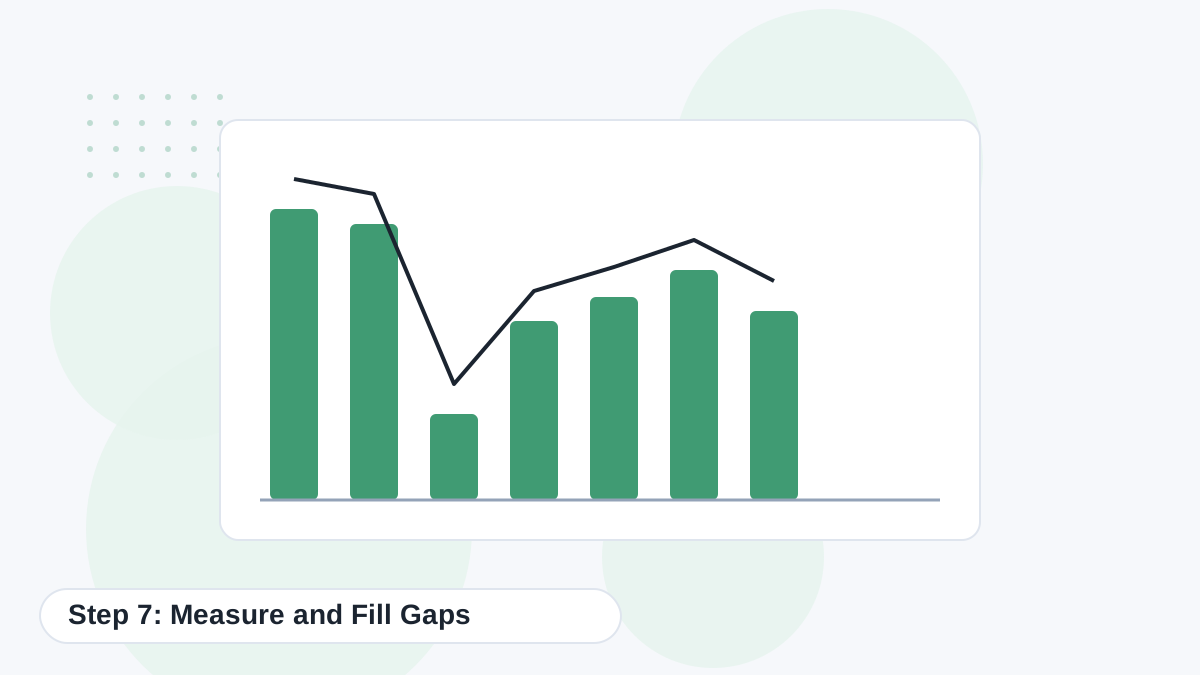
As pages start ranking, Search Console shows which parts of your topic are working and which are thin.
| Signal | What it suggests |
|---|---|
| More queries per page | Search engines see your pages as relevant to a wider set of searches |
| New pages rank faster | The surrounding cluster is lending relevance |
| Rising impressions across a cluster | The topic as a whole is gaining visibility |
| Natural links and mentions | Others see your content as a useful reference |
Look for unexpected queries and partially covered subtopics, then improve existing pages or add new ones where intent is distinct.
How Long Does It Take?
Building topical authority usually takes months. New sites often see early movement after the first few clusters are published and indexed, with stronger gains as coverage becomes complete. Competitive topics take longer, and there's no guaranteed timeline.
Consistency matters more than speed. A steady stream of reviewed, connected content outperforms a burst of unreviewed pages.
Common Mistakes
- Covering too many unrelated topics at once.
- Creating near-duplicate pages for keyword variations.
- Publishing without internal links.
- Prioritising volume over accuracy.
- Never updating older content.
- Drifting into high-volume topics that don't fit your audience.
Example: A Small Topic Map
Here's what an early topic map might look like for a site about AI writing tools, simplified for illustration.
| Hub | Example cluster pages |
|---|---|
| Choosing an AI writer | Best AI SEO writer, best free AI writer, AI writer for niche sites |
| Comparisons | Tool A vs Tool B, alternatives to Tool C |
| SEO fundamentals | Search intent, keyword clustering, content briefs |
| Quality and trust | E-E-A-T, fact-checking, AI detectors |
| Publishing and growth | Internal linking, indexing, measuring performance |
Each hub has a clear purpose, each cluster page has one job, and the hubs connect to each other where readers naturally move between subjects.
Maintaining Authority Over Time

Authority isn't a one-time achievement. Topics evolve, products change and competitors publish new content. A simple maintenance routine protects what you've built:
- Review your most important pages every few months for accuracy.
- Add new pages when genuinely new questions appear in your topic.
- Merge or improve pages that never earn impressions.
- Refresh internal links as new content is added.
Sites that keep their coverage current tend to hold rankings longer than sites that publish once and move on.
AI tools make that routine much lighter than it used to be. A rewrite feature can refresh an outdated page in minutes, and data-driven suggestions point you towards the gaps worth filling next. The judgment about what deserves updating, merging or expanding still belongs to you, because it depends on what your readers actually need.
Combine that judgment with steady AI-assisted production, and topical authority becomes a realistic goal even for a one-person site with a modest budget.
Start with one core topic, finish it properly, then expand outward to the next closest subject your readers care about.
Build Complete Topic Coverage Faster
Use Koala to draft clusters from live search research with consistent brand context and automatic internal links. Start on the free plan.
Try Koala Free