AI Content Detectors - How They Work, Where They Fail and When to Use Them (2026)
AI detectors promise to tell human writing from machine writing. In practice, they give probabilities, not proof, and they can be confidently wrong.
AI content detectors estimate the likelihood that text was machine-generated. They work best on long, unedited AI text and struggle with short, edited or mixed content. False positives are well documented. Google doesn't require content to pass a detector. For publishers, quality and accuracy matter far more than a detection score.
How AI Detectors Work
Most detectors are themselves machine-learning models trained to recognise statistical patterns common in AI-generated text. Two ideas come up often:
- Perplexity: how predictable each word is. AI text tends to choose likely words, so it reads as more predictable.
- Burstiness: how much sentence length and structure vary. Human writing often varies more.
The detector compares your text against what it has learned and returns a probability, such as "85% likely AI". That number is an estimate, not a measurement of who actually wrote the text.
Why Accuracy Varies so Much
Vendors often advertise very high accuracy, but independent tests tend to find more mixed results. Several factors affect how reliable a score is.
| Factor | Effect |
|---|---|
| Text length | Short passages give far less reliable results |
| Editing | Human-edited AI text is much harder to classify |
| Writing style | Formal, technical or formulaic writing is more often flagged |
| Language background | Studies suggest non-native English writers face more false positives |
| Model used | Detectors may lag behind the newest AI models |
| Paraphrasing tools | Can reduce detection, though some detectors resist this better |
Different detectors also disagree with each other on the same text, because they use different models and training data.
False Positives: The Biggest Problem
A false positive is when human writing is flagged as AI-generated. Even detector companies acknowledge they happen. Checklists, product descriptions, technical documentation and plain, clear writing are common victims, because they're naturally predictable.
That's why many educators, publishers and detector makers recommend treating scores as one signal among many, never as proof. A writer accused on the basis of a detector score alone has good reason to push back.
Does Google Use AI Detectors?
Google hasn't published any rule that content must pass an AI detector. Its guidance focuses on whether content is helpful and reliable, and its spam policies target low-value content at scale however it's made.
Google does use many systems to evaluate quality and detect spam, and patterns of mass-produced content can be identified in other ways. But "passing" a third-party detector doesn't make content rank, and "failing" one doesn't mean Google will penalise it. Read does AI content rank? and scaled content abuse for the full picture.
When Detectors Can Be Useful
Agency Policies
When a client contract restricts AI use, a detector can be one input in a review.
Spotting Unedited Drafts
A very high score on a long article can hint that editing was skipped.
Auditing Old Content
Flagging pages to review for quality, not as proof of anything.
Academic Settings
As a prompt for conversation, alongside drafts and other evidence.
When Not to Rely on Them
- As the only evidence in a decision about a person's work.
- For short text such as product descriptions or social posts.
- As a measure of quality or SEO potential.
- To "prove" content is human-written for search engines.
Should You Try to Bypass Detectors?
Some tools promise to "humanise" AI text so it passes detectors. We'd focus on a different goal: making content genuinely better. Editing for accuracy, adding examples and varying sentence structure improves readability and often changes detection scores as a side effect.
Chasing a detector score with paraphrasing tools can make writing worse, introducing awkward phrasing or errors. Our guide to humanising AI content covers edits that help readers first.
Start from a research-based draft that's easier to edit into something genuinely useful. Try Koala free.
Try Koala FreeA Better Approach for Publishers
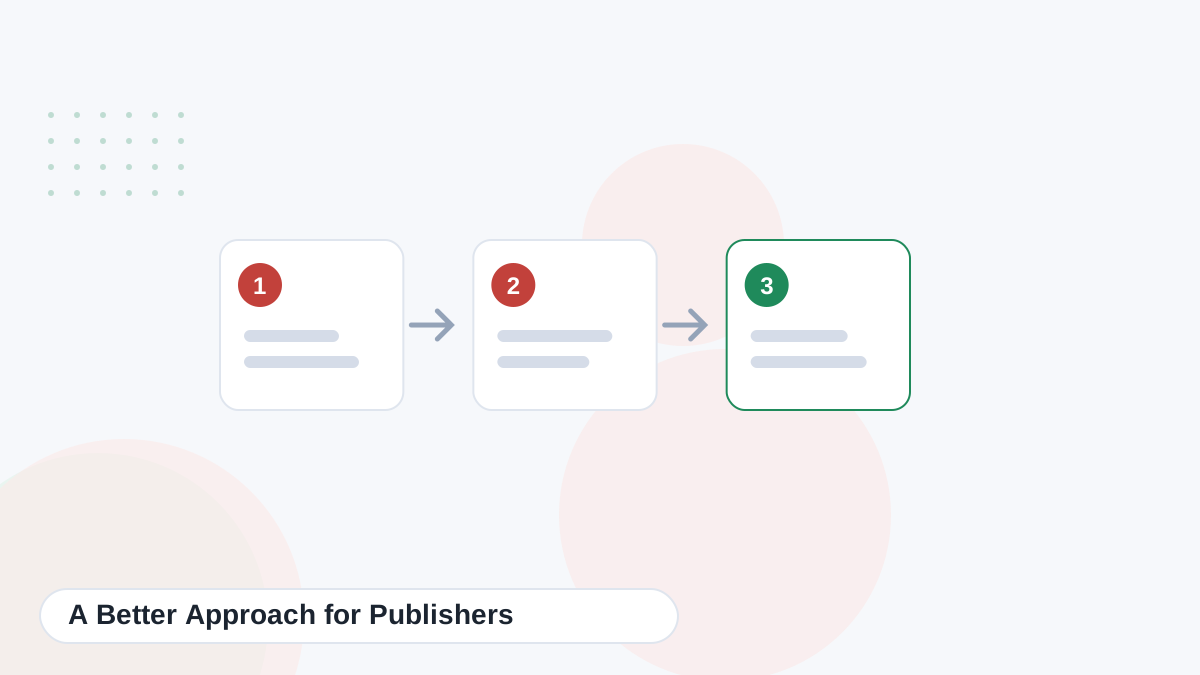
- Set quality standards, not detection thresholds.
- Fact-check every article before publishing. See AI fact-checking.
- Add original value: examples, opinions, images or data.
- Be transparent with clients about how you use AI.
- Measure what matters: rankings, engagement and conversions.
What Detection Scores Actually Tell You
A detector score is a statement about patterns in text, not about who wrote it. A score of "70% AI" doesn't mean 70% of the text was machine-written. It usually means the model is fairly confident the text resembles AI writing it has seen.
That distinction matters. A human writer with a clear, consistent style can score high. An AI draft that's been heavily edited can score low. Neither score says anything about whether the content is accurate, helpful or likely to rank.
What a Score Can Suggest
That text follows predictable patterns common in AI output.
What It Can't Prove
Who wrote the text, or how much was AI-generated.
What It Doesn't Measure
Accuracy, usefulness, originality of ideas or SEO quality.
How to Use It
As a prompt to review content more closely, never as a verdict.
Detectors and Clients
If you write for clients, ask about their AI policy before you start. Some allow AI-assisted work, some forbid it, and some run detectors on everything you submit. Agreeing expectations in writing avoids disputes later, including disputes caused by false positives on work you wrote yourself.
Keeping drafts and version history can help show your process if a detector flags your work. Our guide for freelance writers using AI covers client conversations in more detail.
If Your Own Writing Gets Flagged
Being accused of using AI when you didn't is frustrating. A calm, evidence-based response usually resolves it.
- Share your process: drafts, notes, outlines and version history.
- Explain the limits of detectors, including documented false positives on clear, formal writing.
- Offer a second opinion, such as a conversation about the content or a short sample written live.
- Agree on standards for future work, focused on quality rather than scores.
Many organisations now treat detection scores as a reason to ask questions rather than proof of anything. Pointing gently to that approach often helps both sides move forward. Keeping your drafts in a tool with version history, such as Google Docs, makes this kind of conversation far easier.
Ultimately, the most reliable way to judge content is the way readers do: is it accurate, clear and genuinely useful? A short human review against those questions tells you far more than any percentage score, and it improves the content at the same time.
That approach also holds up as detectors and AI models keep changing, because it never depended on a score in the first place.
Focus on Quality, Not Detection Scores
Use Koala's free plan to draft from live search research, then edit for accuracy and insight. That's what readers and search engines reward.
Try Koala Free